

What We Know
-
Rebranding: It is more than changing your name and logo
January 18, 2024
In the dynamic landscape of business and identity, the concept of rebranding goes far beyond the change of a company's name and logo. It involves a strategic and universal transformation that coincides with the core values, messaging, and overall perception of a company’s brand. We’re going to explain the comprehensive scope of corporate redefinition, exploring the tricky process of reshaping not just the visual aspects but also the core of a brand. Join us as we dive into the complexities of rebranding, where improvement meets identity, and discover the important impact it can have on businesses navigating the always changing market. -
Meet Our Google Certified Digital Experts: Kandi, Riley, and Vincent
August 29, 2023
In the ever-evolving digital landscape, having a proficient and knowledgeable team by your side is crucial for achieving online success. Allow us to introduce you to our three digital strategists: Kandi, Riley, and Vincent. Each of them is Google certified in both Adwords and Analytics, ensuring that you are in capable hands when seeking their assistance. -
The Importance of Storytelling in your Commercial or Marketing Video
March 2, 2023
The most significant difference between marketing 20 years ago and today is that you can't just tell a customer to buy your product. Customers today need to be persuaded and convinced. This is due to the fact that numerous businesses are competing for customers worldwide to purchase the same item or idea. Consumers are more likely to respond to advertisements or commercials that use pathos, one of the modes of persuasion. Pathos uses an emotional appeal to the audience and brings out those feelings that they already have. -
What You Need to Know About Website Hosting
January 20, 2023
Choosing a hosting provider can be overwhelming. With so many hosting services to choose from it can be difficult to select a service that is right for your company.
The main factors when considering website hosting should encompass the following factors:
• Website Size
• Database size
• Visitor Bandwidth
• Platform requirements -
Create engagement with Facebook ads
January 13, 2023
Do you want your Facebook ads to generate more sales or leads? Looking for effective advice on how to model your own ads?
In this article, we’ll discuss and describe some simple steps you can take to get your customers to respond to your ads! -
The Evolution of Television Advertising
November 1, 2022
The RSA team is back with another marketing history lesson for you. Today, we are going to be diving into the history of television advertising. Most young people today probably don’t even have a cable box and get all their television from various streaming services. But, I bet if you asked your parents and grandparents they remember when televisions came out and started appearing in households all over the place!
-
Dos and Donts of Marketing your Business during the Halloween and Fall season
October 13, 2022
We hear it’s screams and shrieks season; and with the season comes the opportunity to lean into all things spooky with your marketing. However, there is a fine line between just enough and overdoing it. The RSA Marketing team has put together a guide on what to do and what not to do when marketing your business during the Halloween and fall season.
-
Determining the overall health of your business website
September 22, 2022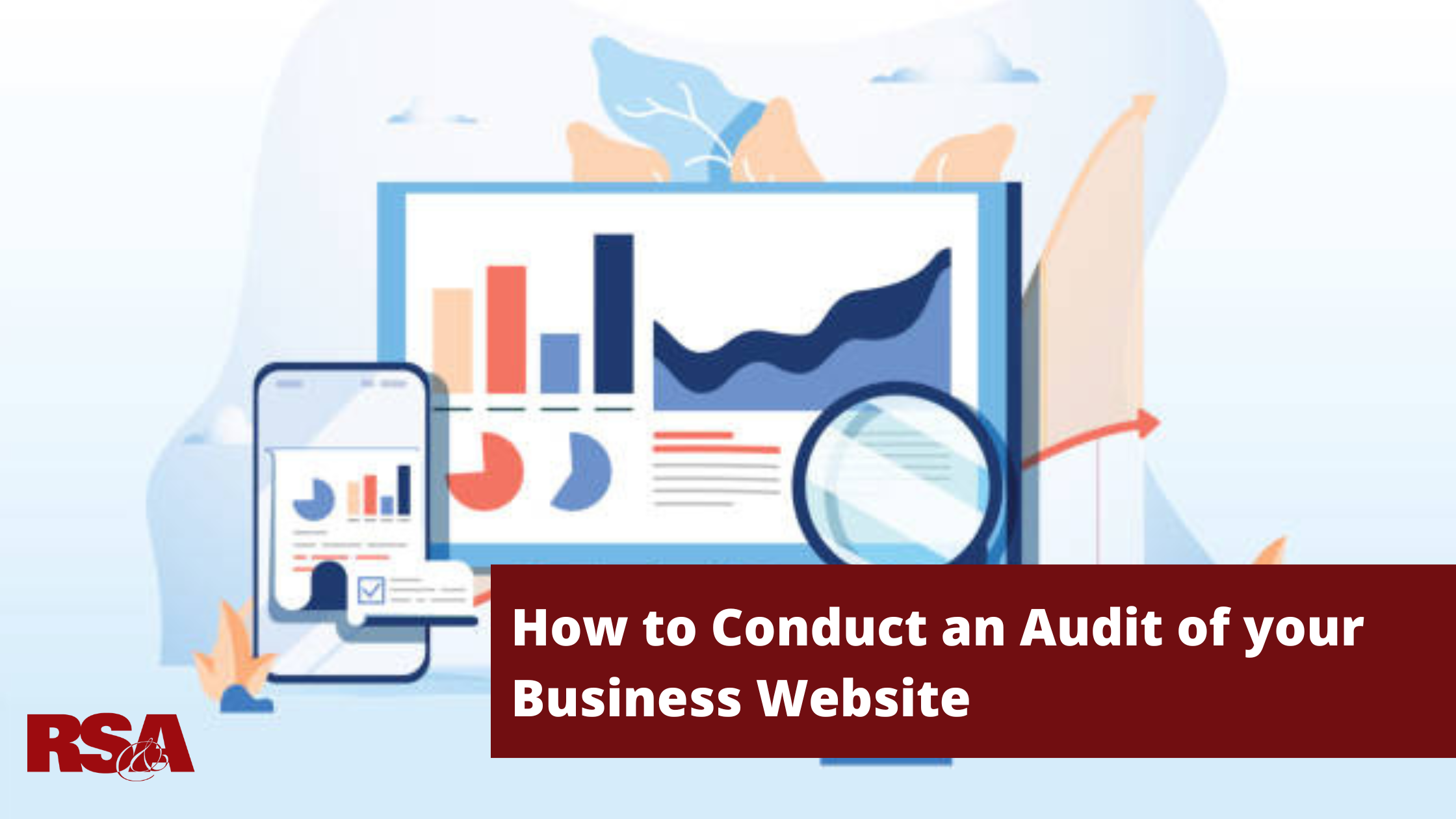
When most people hear the word audit they associate it with their taxes and a cold sweat begins to form on the back of their neck. However, the word audit literally means “to-examine” and there are many types of audits that aren’t nearly as nerve-wracking as a tax audit. In this blog, we will be discussing website audits, and how you can conduct your own website audit to determine the overall health of your business website.
-
Build a New Website and They Won’t Come – Unless You’re Willing to Put in the Effort After It Launches
September 1, 2022
Are you one of the millions of people globally preparing to launch a website at this very moment with the hope that you’ll reach your customers and grow your business? Great! Get in line. With over 547,200 websites launching on a daily basis worldwide, you’ll quickly find that your new website is merely a grain of sand on its own in a sprawling desert. How on Earth can you expect your new website to rise to acclaim in a sea of billions of websites? While the answer to stand out can be quite complex, it’s as simple as implementing the right post-launch strategy to gain traffic traction.
-
The Top Five Questions You Should Be Asking Your Marketing Agency
September 1, 2022
Amid the ever-evolving marketing landscape, businesses continue to seek out marketing agencies to oversee the critical marketing services they need to successfully brand their business, reach their audience, and grow over time. With a reported 50% of businesses utilizing marketing agencies for their varied service expertise, the sheer amount of marketing agencies is as diverse as the services they provide. Robert Sharp & Associates has learned over time that not all marketing agencies are created equal, nor is the level of service they provide.
Categories:
- General
- Digital Marketing
- Web Development
- Video/Audio
- Graphic Design
- Branding
- Reputation Management
- SEO
- Social Marketing
- RSA Culture
- Something Creative
- Traditional Marketing
By Year:
By Month:
- January 2024
- August 2023
- March 2023
- January 2023
- November 2022
- October 2022
- September 2022
- August 2022
- July 2022
- June 2022
- May 2022
- March 2022
- February 2022
- January 2022
- December 2021
- November 2021
- October 2021
- September 2021
- August 2021
- July 2021
- June 2021
- May 2021
- April 2021
- March 2021
- February 2021
- January 2021
- December 2020
- October 2020
- April 2020
- October 2019
- August 2019
- July 2019
- June 2019
- April 2019
- January 2019
- November 2018
- September 2018
- June 2018
- April 2018
- February 2018
- January 2018
- December 2017
- August 2017
- July 2017
- March 2017
- February 2017
- September 2016
- June 2016
- December 2015
- November 2015
- April 2015
- January 2015
Stay in Touch
Sign up to receive free marketing updates!
